The Jack surname appears in several important Scottish and overseas research clusters. These notes are working signposts, not final proof. They are intended to help researchers recognise possible regional links, identify useful records, and contribute evidence.
Working notes, not final proof
Use these areas as prompts for source checking. A shared surname or place is not enough by itself. Possible links may connect through migration, documentary evidence, or DNA evidence, and some lines may remain separate.
Avoch and the Black Isle are important Jack surname research areas. The restored Avoch Jack Graves Archive brings older Clan Jack headstone images back into the modern site as a research aid, while the Scottish Jack grave archive gathers 2012 Scotland road-trip photographs from cemeteries and old kirkyards where Jack graves were found.
What to look for: Look for Jack families in parish registers, kirk-session material, sasines, local histories, fishing and coastal records, and variant surname spellings.
Why it may matter: This is a possible Highland and north-eastern working cluster that requires careful source checking before any connection is assumed.
Useful record types: Old Parish Registers, civil registration, census returns, monumental inscriptions, land records, newspapers, wills, and local archives.
DNA angle: Autosomal and Y-DNA evidence may help test whether overseas Jack lines connect back to this area or only share a surname.
Corrections, extracts, images, citations, and evidence-based notes for this research area are welcome.
Elgin / Moray
What to look for: Look for Jack entries in Moray parish registers, burgh records, apprenticeship material, tax rolls, wills, and neighbouring parish records.
Why it may matter: Elgin and Moray may represent a documentary research area linked through migration, occupation, or neighbouring county movement.
Useful record types: Parish registers, burgh records, valuation rolls, census returns, trade directories, wills and testaments, and newspaper references.
DNA angle: DNA matches are most useful here when paired with trees that identify specific Moray places and dates.
Corrections, extracts, images, citations, and evidence-based notes for this research area are welcome.
Banffshire / Keith
What to look for: Look for Jack families around Keith and nearby Banffshire parishes, especially where occupation, land, or migration evidence links generations.
Why it may matter: This is a working cluster that may connect to wider north-eastern Scottish movement, but each proposed link needs documentary proof.
Useful record types: Parish registers, census returns, farm and land records, tax rolls, poor-law records, wills, and local newspaper notices.
DNA angle: Shared DNA may help sort branches where several Jack families appear in nearby parishes.
Corrections, extracts, images, citations, and evidence-based notes for this research area are welcome.
Fife / Balmerino
What to look for: Look for Jack and variant surname entries in Fife parish records, land material, tax rolls, OS Name Books, and local estate papers.
Why it may matter: Fife is an important research area for early Jack surname study, but local appearances should not be treated as one proven family without sources.
Useful record types: Old Parish Registers, retours, sasines, wills and testaments, tax records, OS Name Books, court material, and local histories.
DNA angle: Y-DNA may be useful where direct male Jack lines can be traced to specific Fife families.
Corrections, extracts, images, citations, and evidence-based notes for this research area are welcome.
Perthshire / Dunkeld / Atholl / Alyth
What to look for: Look for Jack families across Perthshire parishes, with attention to surname variants, farm names, estate links, and movement between nearby communities.
Why it may matter: This broad research area may contain several separate Jack lines, so place, time, and original records matter.
Useful record types: Parish registers, tax rolls, land and estate records, census returns, wills, monumental inscriptions, and OS Name Books.
DNA angle: DNA evidence may help distinguish possible Perthshire branches when documentary trails become thin.
Corrections, extracts, images, citations, and evidence-based notes for this research area are welcome.
Angus / Coupar Angus
What to look for: Look for Jack families around Angus and Coupar Angus, checking neighbouring parishes and variant spellings where records are sparse.
Why it may matter: This is a useful research area for testing whether nearby Scottish clusters connect through migration, marriage, or separate surname origins.
Useful record types: Parish registers, census returns, farm records, valuation rolls, newspapers, wills, and local archive material.
DNA angle: Autosomal DNA can support recent branch work; Y-DNA may help with direct male surname-line questions.
Mill of Keithick and the 1473 Jak reference
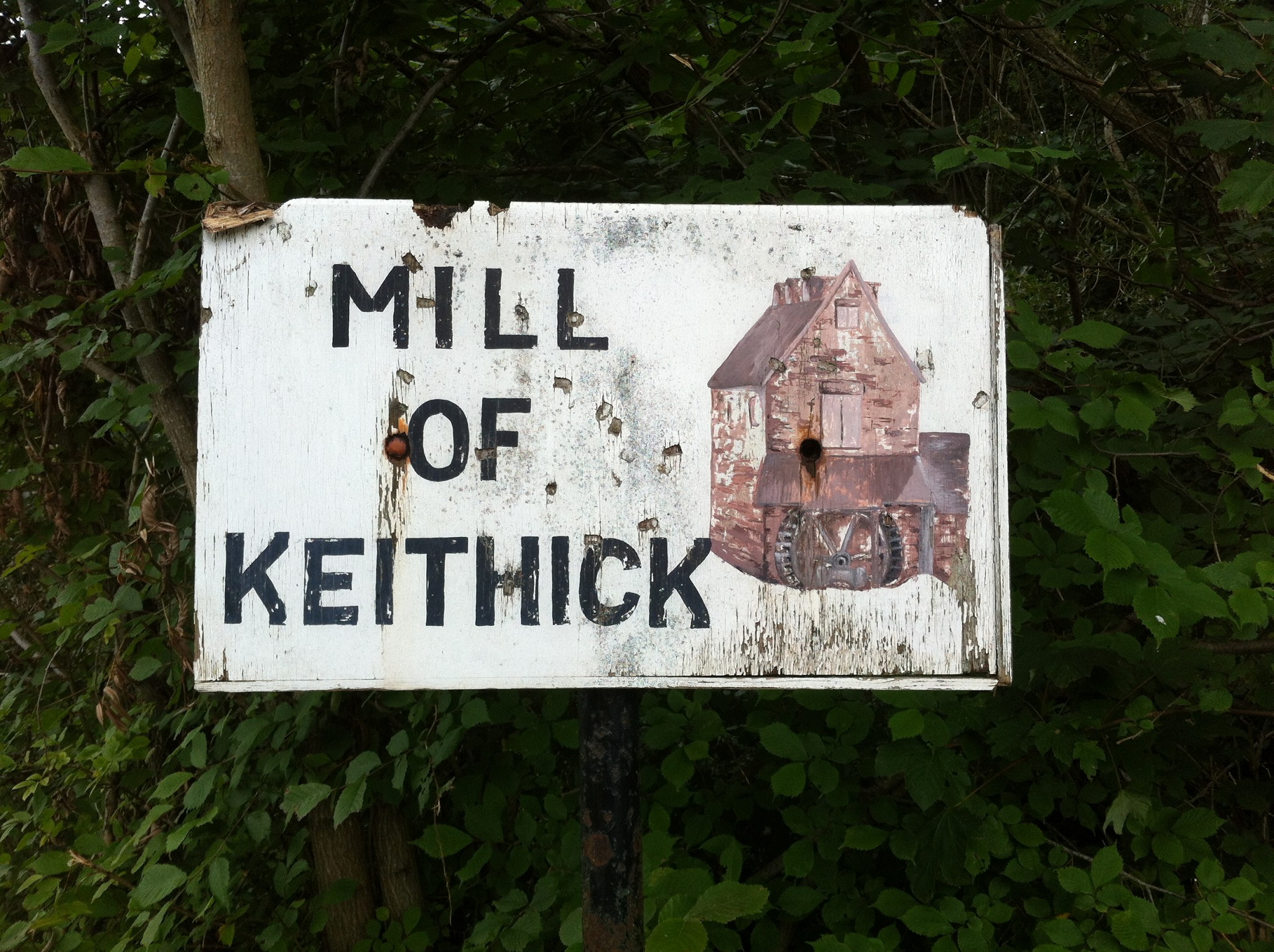
The Rent Books of the Abbey of the Cistercian monks at Coupar-Angus include a reference to a Wil. Jak, tenant of the mill of Kethyk, also rendered Keithek or Keithick, in 1473. This reference, noted in Black’s Surnames of Scotland, is one of the important early documentary clues for the Jak / Jack surname in Scotland.
This is a research pointer, not proof of connection to any later Jack family by itself. It should be read with the original rental records, place evidence, later documents, and wider surname research.
Mill of Keithick sign, linked to early Coupar-Angus Jak / Jack surname research.
Corrections, extracts, images, citations, and evidence-based notes for this research area are welcome.
Ulster
What to look for: Look for Jack families in Presbyterian, Church of Ireland, civil, land, valuation, and migration records, noting Scottish links where evidence supports them.
Why it may matter: Ulster Jack lines may connect through Scottish migration, later movement, or independent local development. Each path needs source checking.
Useful record types: Church registers, civil registration, Griffith's Valuation, tithe applotment books, wills, newspapers, shipping records, and cemetery inscriptions.
DNA angle: DNA may help connect Ulster-descended families with Scottish or overseas branches when records are missing or fragmented.
Corrections, extracts, images, citations, and evidence-based notes for this research area are welcome.
North America
What to look for: Look for Jack families in immigration, land, probate, census, military, church, newspaper, and county histories, then work back to a documented place of origin.
Why it may matter: North American Jack lines may preserve clues about Scottish, Ulster, English, or other origins, but published family stories need checking.
Useful record types: Passenger lists, naturalisation records, censuses, land grants, probate files, military records, church registers, newspapers, and county histories.
DNA angle: Autosomal DNA networks and Y-DNA surname-line testing can be especially useful when paper trails cross the Atlantic.
Corrections, extracts, images, citations, and evidence-based notes for this research area are welcome.
Australia / New Zealand
What to look for: Look for Jack families in passenger records, civil registration, electoral rolls, newspapers, probate, military files, cemetery records, and local histories.
Why it may matter: Australian and New Zealand branches often connect to Scottish, Ulster, English, or North American origins through migration evidence.
Useful record types: Shipping records, birth, marriage and death registrations, electoral rolls, Papers Past and Trove newspapers, probate files, cemetery records, and military service files.
DNA angle: Autosomal DNA may identify overseas cousin networks; Y-DNA can help where a direct male Jack line is available for testing.
Corrections, extracts, images, citations, and evidence-based notes for this research area are welcome.
Contribute evidence
If you have Jack record extracts, regional notes, images, source corrections, or DNA evidence that may help one of these working clusters, please contact Clan Jack. Please do not send raw DNA files, private match lists, passwords, health information, or living-person family trees.