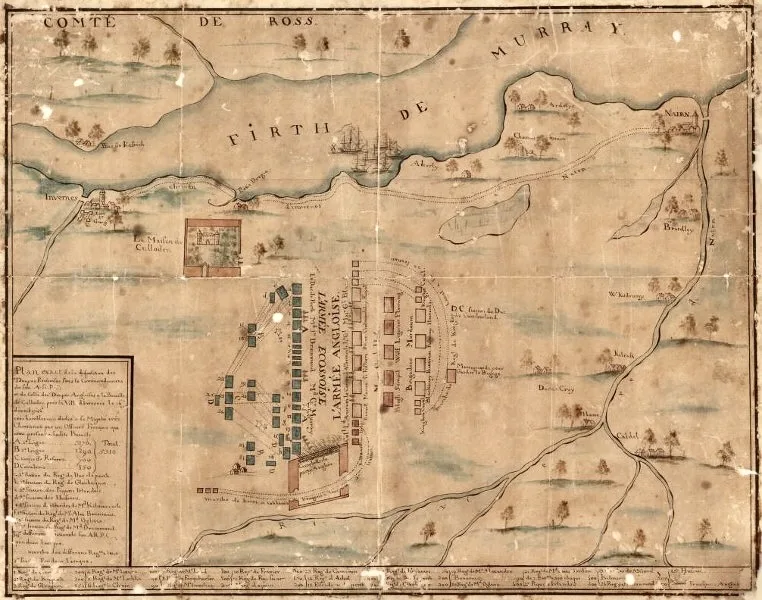
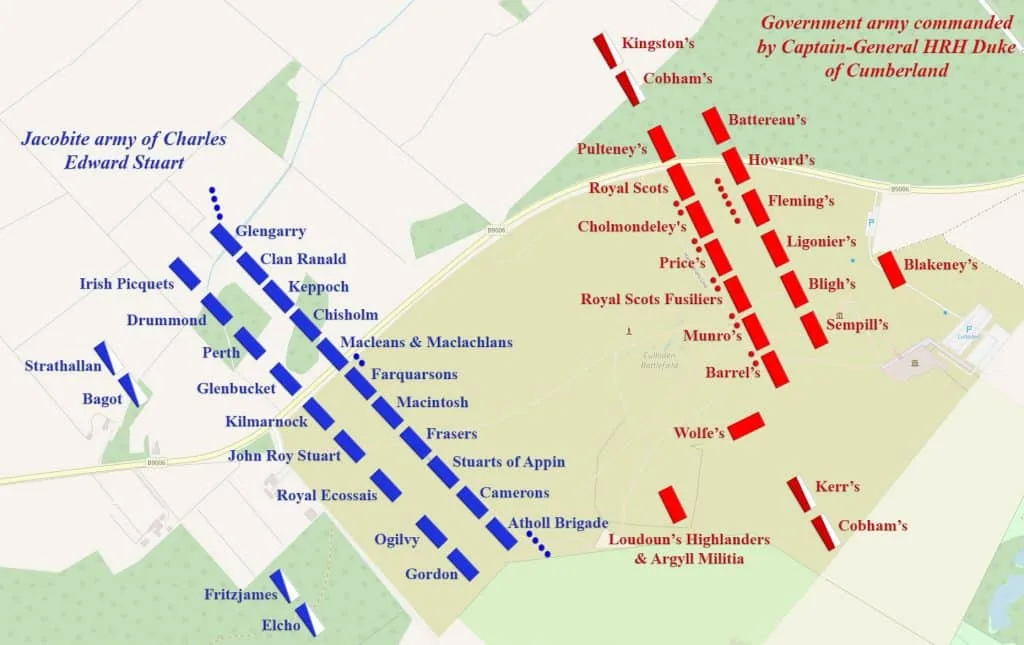
On 16 April 1746 the last pitched battle on British soil was fought on Drumossie Moor, near Culloden. Prince Charles Edward Stuart's Jacobite army was decisively defeated by the government forces under the Duke of Cumberland, bringing the '45 Rising to a brutal end and triggering harsh repression across the Highlands. The impact on families, landholding and traditional culture was profound and long lasting.
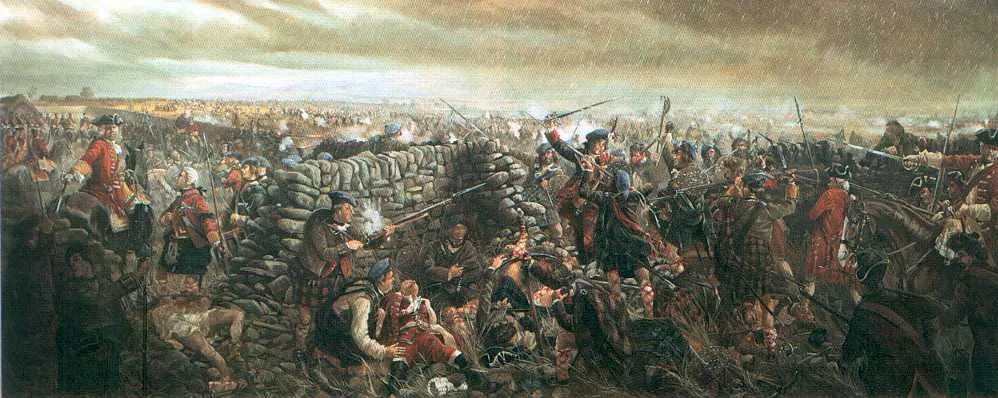
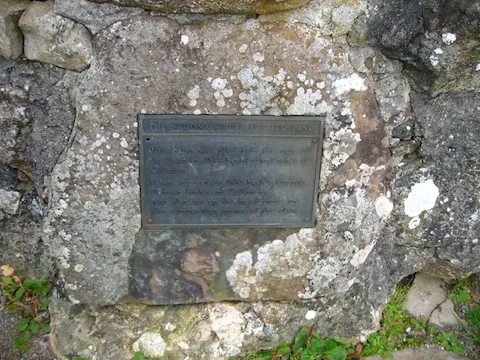
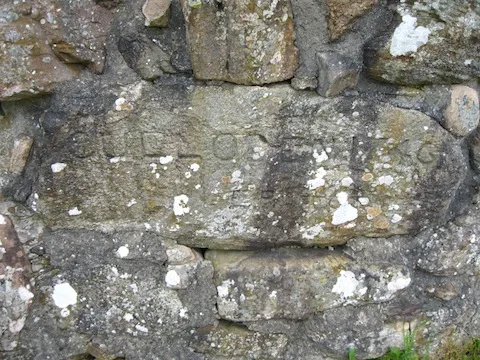
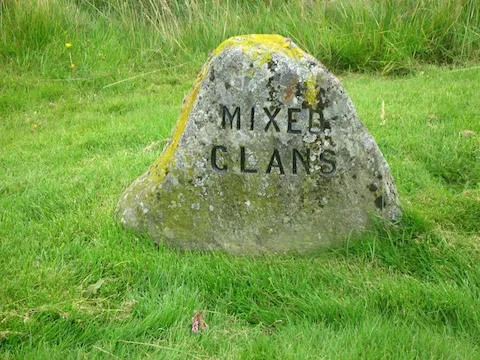
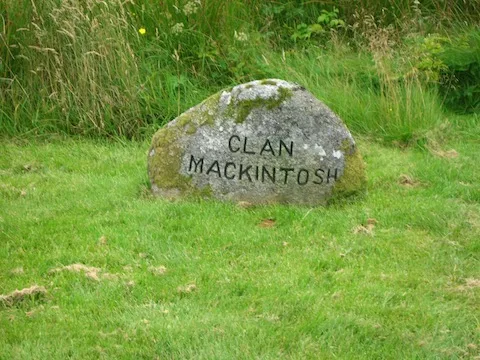
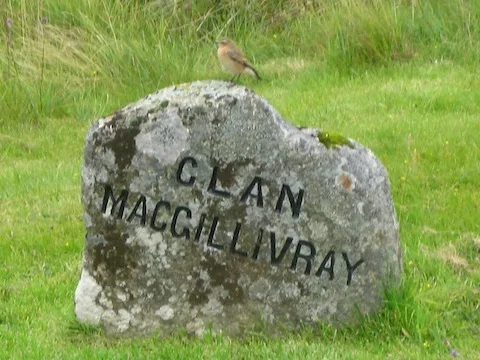
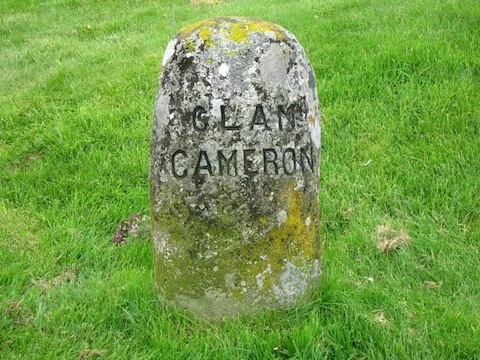
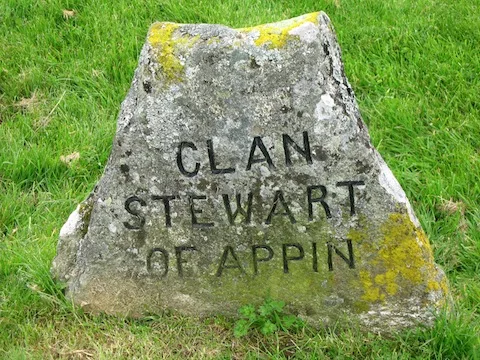
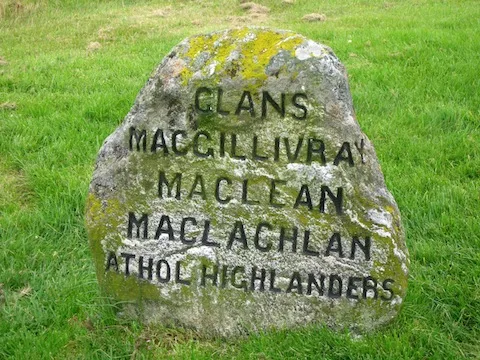
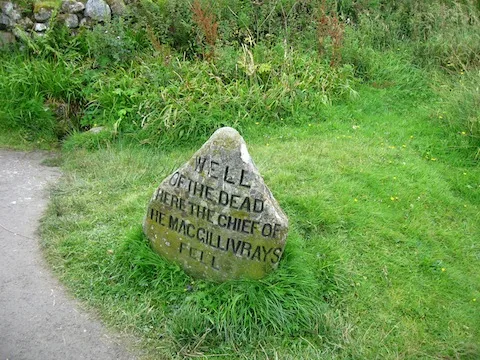
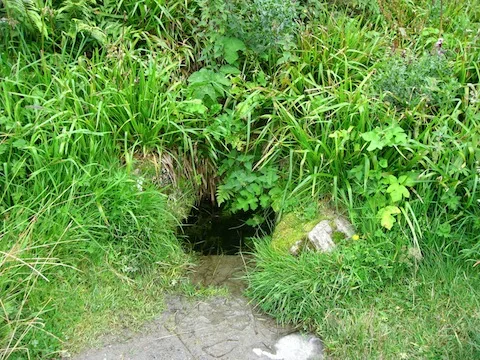
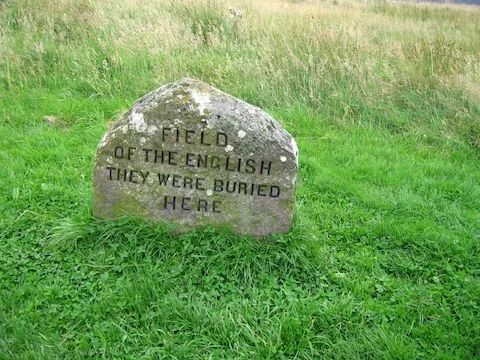
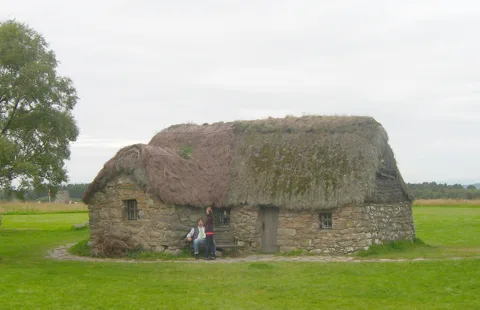
For those of us researching the JACK name, surviving records of the battle and its aftermath are sparse. On the muster roll of Prince Charles Edward Stuart's army of 1745-46, published as No Quarter Given by Livingstone, Aikman & Hart, only three JACK entries appear, although many names in the army remain unknown or unrecorded. These are Andrew, William and Thomas JACK. In addition, two men recorded as JACQUE served in the same context. The images featured on this page were taken during a 2010 visit to the Culloden battlefield and Visitor Centre by Clan Jack Chief John Jack and David A. Jack, and are intended to place these scant documentary references back into their physical landscape.
- William Jack served in Strathallan's Horse (the Perthshire Squadron). He was a merchant from Elgin. His famous letter, written in 1747, describes the hardship and length of time involved in being taken from Scotland to Tilbury Fort and then transported on to Barbados. This letter is featured below.
- James Jack was part of the Forfarshire (Ogilvy's) Regiment and is recorded as "lurking" after Culloden, indicating that he evaded immediate capture. He eventually made his way back to Alyth and is interred with his wife and children in the Old Parish Church of St Moluag, Alyth. The reference for James Jack comes from the Fraser Papers.
- Andrew Jack served in the Earl of Cromartie's Regiment. He is listed as aged 30, from Caithness, and was transported after the Rising. The reference for Andrew Jack comes from Prisoners of the '45.
Two men recorded as JACQUE also appear in the Earl of Cromartie's Regiment:
- Andrew Jacque, aged 30, husbandman, noted as "Elgin from Ross", transported after the Rising.
- Donald Jacque, aged 58, described as a beggar or ale seller, also transported.
Letter from William Jack, 17 March 1747
The following first-person account from William Jack of Elgin, written less than a year after Culloden, is one of the very few surviving descriptions by a Jack involved in the Rising. It gives a stark picture of the treatment endured by Jacobite prisoners transported from Scotland to Tilbury Fort and then across the Atlantic. Including it here allows readers to understand the personal cost behind the brief muster-roll entries above.
"Gentlemen, This comes to acquaint you, that I was eight months and eight days at sea, of which time, I was eight weeks upon half a pound and twelve ounces oat-meal, and a bottle of water in the twenty-four hours, which was obliged to make meal and water in the bottom of an old bottle. There was one hundred and twenty-five put on board at Inverness, on the James and Mary of Fife. In the latter end of June, we was put on board of a transport of four hundred and fifty ton, called the Liberty and Property, in which we continued the rest of the eight months, upon twelve ounces of oat sheelin as it came from the mill.
There was thirty-two prisoners more put on board of the said Liberty and Property, which makes one hundred and fifty-seven: and when we came ashore, there was only in life forty-nine, which would been no great surprise if there had not been one, conform to our usage. They would taken us from the hold in a rope, and hoisted us up to the yard-arm, and let us fall in the sea in order for ducking of us; and tying us to the mast and whipping us if we did any thing, however innocent, that offended them: this was done to us when we was not able to stand.
I will leave it to the readers to judge, what condition they might be in themselves with the above treatment. We had neither bed nor bed-clothes, nor clothes to keep us warm in the day time. The ship's ballast was black earth and small stones, which we was obliged to dig holes to lie in to keep us warm, till the first of November last, that every man got about three yards of gross ham filled up with straw, but no bed-clothes. I will not trouble you no more till I see you.
There is none in life that went from Elgin with me, but William Innes in Fochabers; James Brander, in Condloch, died seven months ago; Alexander Frigge died in Cromarty Road; John Kintrea, that lived in Longbride, died also. Mr James Falconar is well, and remains on board of a ship, called the James and Mary, lying off Tilbury Fort. I am, gentlemen, your most humble servant,
(Signed) Will. Jack."
"Tilbury Fort, March 17th, 1747."
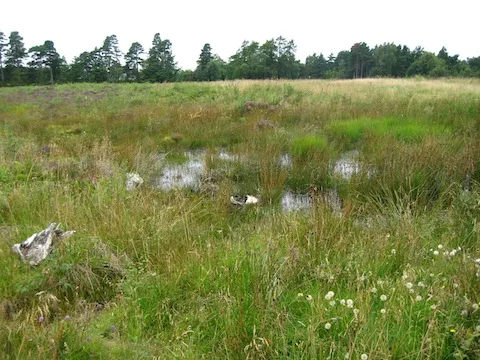
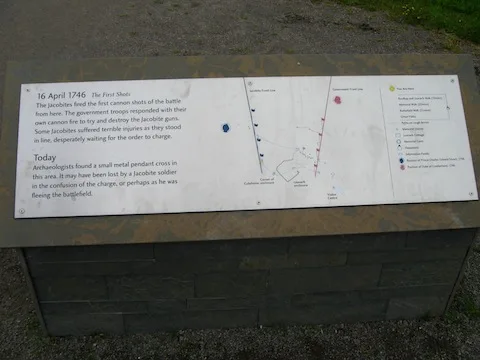
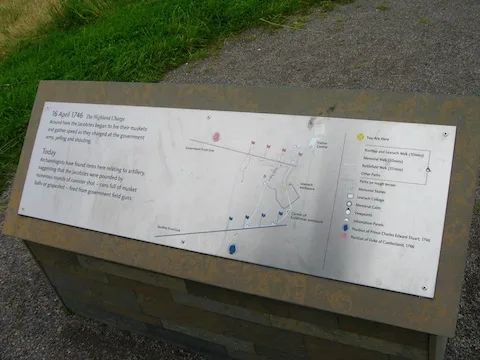
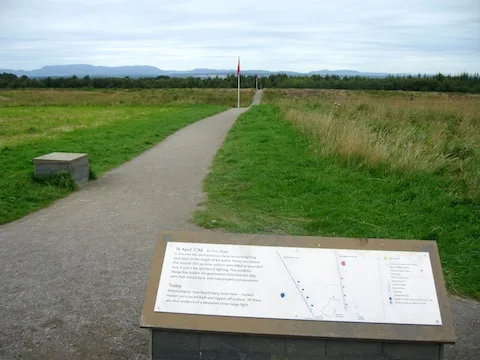
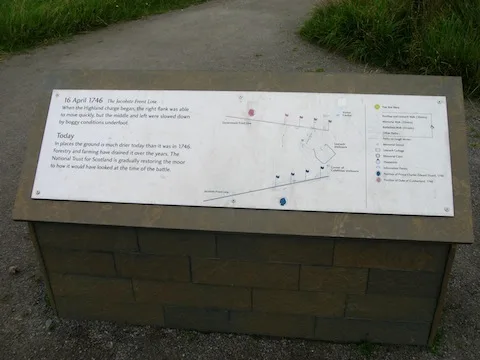
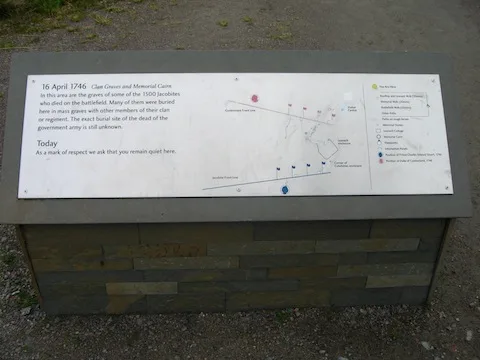
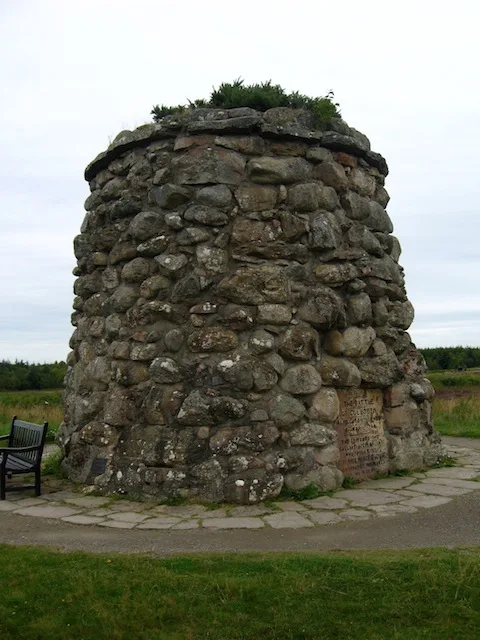
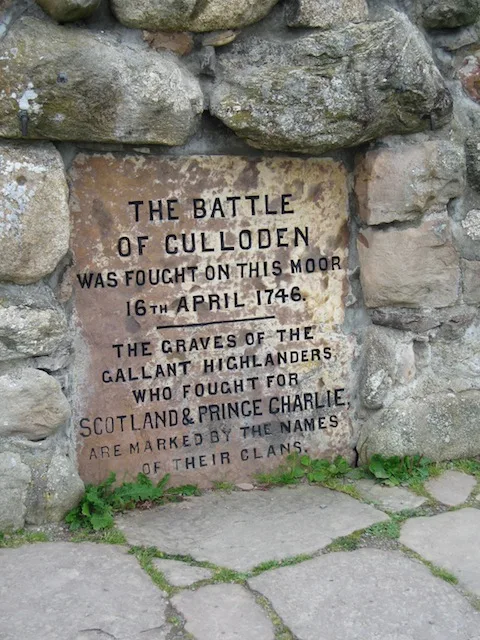
The Culloden Battle Field Today
Images of Battle field were taken by David Jack in 2010.
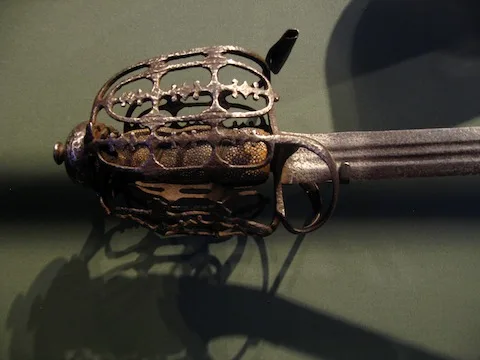
Echoes of the '45
Culloden did not just end the Jacobite Rising. It marked the deliberate dismantling of Highland society. In the months that followed, government troops burned homes, seized livestock, destroyed crops and hunted fugitives across the glens. Whole families were broken, some transported, others forced into exile.
The Act of Proscription then outlawed the wearing of Highland dress, carrying of arms and the symbols that defined clan identity. Tartan, once a living expression of region and kinship, became illegal for ordinary Highlanders. Chiefs lost real authority, traditional structures collapsed, and many communities never recovered.
The few JACK names that survive in the records of the '45 are rare threads left from a tapestry the government tried to erase. They remind us how close our stories came to disappearing entirely.
Today, as Jacks, we choose symbols that our ancestors never had the freedom to claim. Our tartan and crest are modern creations, yet they carry the weight of everything the name has endured. By gathering our history, restoring the stories that were almost erased and building a global clan community, we give the Jack name a presence and dignity it was long denied. What the Rising scattered, we are rebuilding with purpose, pride and trust in who we are becoming.